JMIR Publications

Newsroom

Posts about:

Research News (4)

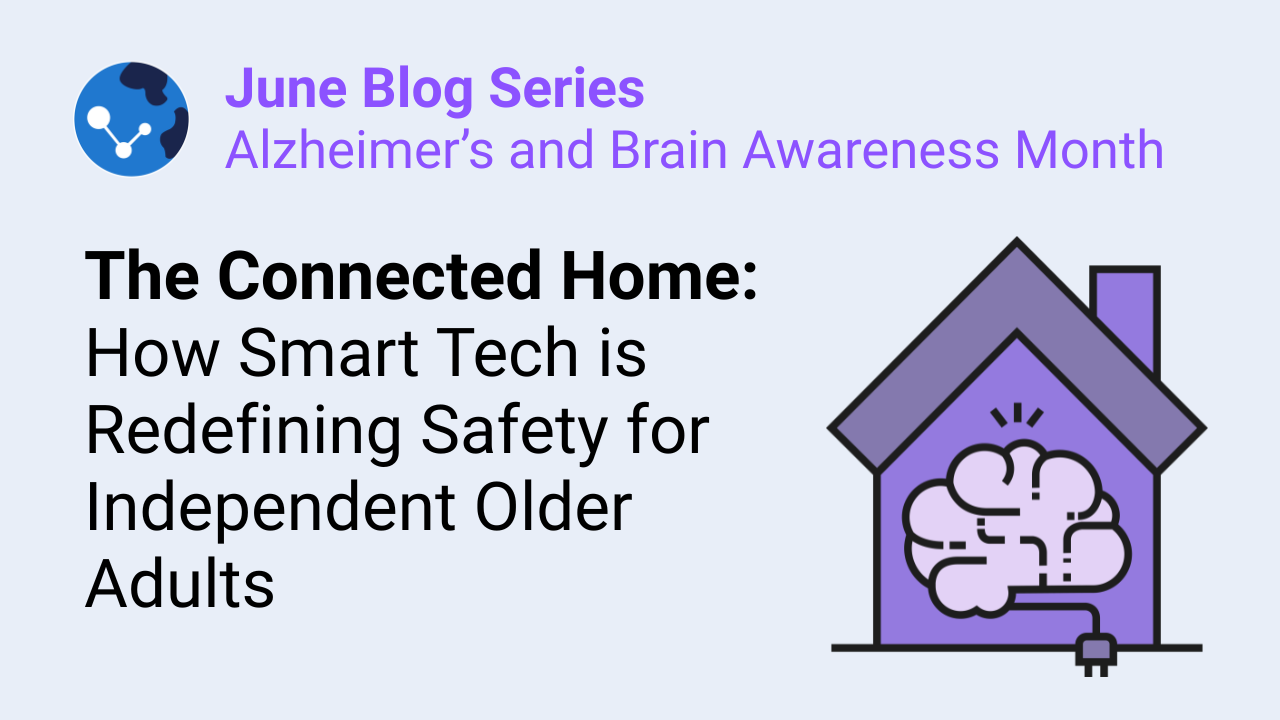
Blog header featuring the image of a digital brain and a connected home

The Connected Home: Redefining Safety for Independent Older Adults

June is Alzheimer’s & Brain Awareness Month, a dedicated time to focus on our cognitive well-being. As part of our special coverage for this awareness month, we are exploring how smart home environments are redefining safety for older adults aging in place. Highlighting recent research published in JMIR Aging, this post examines how shifting from intrusive surveillance to passive, AI-powered monitoring can create an invisible safety net—preserving both patient independence and family peace of mind.


Read More
Bridging the Clinical XR Gap

The Experience Gap: Better Appraisals for Clinical XR

Formative evaluation is a vital pillar of implementation science, used to identify early barriers to adoption before deploying new health technologies. Traditionally, this process relies on gathering stakeholders’ expectations through preuse questionnaires. While this works well for standard screen-based apps, it hits a bottleneck when applied to immersive systems like Extended Reality (XR).

Read More
Blog post for Heart Rate at the Limit: Validating the Samsung Galaxy Watch 6 for Maximal Exercise

Heart Rate at the Limit: Validating the Samsung Galaxy Watch 6 for Maximal Exercise

As wearable technology becomes a staple in both fitness and clinical monitoring, the demand for high-accuracy heart rate (HR) tracking continues to grow. While most smartwatches perform well at rest, the real challenge lies in maximal-intensity exercise, where heavy movement and physiological stress can interfere with optical sensors.

Read More
Clean Lab Data for Oncology

Fixing the Foundation: High-Fidelity Lab Data for Oncology Research

Real world data (RWD) is increasingly a key engine behind modern drug discovery and clinical decision making. However, anyone who has worked with electronic health records (EHRs) knows that this engine often relies on data that are fragmented and inconsistent. Laboratory results, which are the backbone of oncology care, are frequently plagued by inaccurate codes and missing units.

Read More
Header image for blog post: The Society of Digital Psychiatry AI Psychosis Survey Results featuring a picture of John Torous

The Society of Digital Psychiatry AI Use and Mental Health Survey Results

Being part of the Society of Digital Psychiatry means you help shape and lead important conversations in mental health. A recent survey, conducted in collaboration with JMIR Publications, collected members' insights and perspectives on the emerging phenomenon of “AI Psychosis”. The survey collected 97 submissions in January and February 2026. A summary of these perspectives will be included in a future News and Perspectives article in the Journal of Medical Internet Research. Here are the results and thank you!

Read More