Celebrating Excellence: JMIR Publications' Top Articles of 2025!
As we step into 2026, the team at JMIR Publications is proud to look back and celebrate the impactful work from our authors that has shaped the landscape of digital health research.

Posts about:
As we step into 2026, the team at JMIR Publications is proud to look back and celebrate the impactful work from our authors that has shaped the landscape of digital health research.
Labor shortages are straining healthcare systems worldwide, severely challenging their ability to sustain high-quality, person-centered care, especially for people with intellectual disabilities. As organizations search for innovative assistants, social robots are moving from concept to reality, showing potential to support both clients and overstretched professional caregivers.
November 14th marks World Diabetes Day, a critical moment to raise global awareness of a condition affecting hundreds of millions worldwide. This day, commemorating the birthday of Sir Frederick Banting, co-discoverer of insulin, is a reminder of both historical medical breakthroughs and the urgent need for continuous innovation in prevention, management, and care.
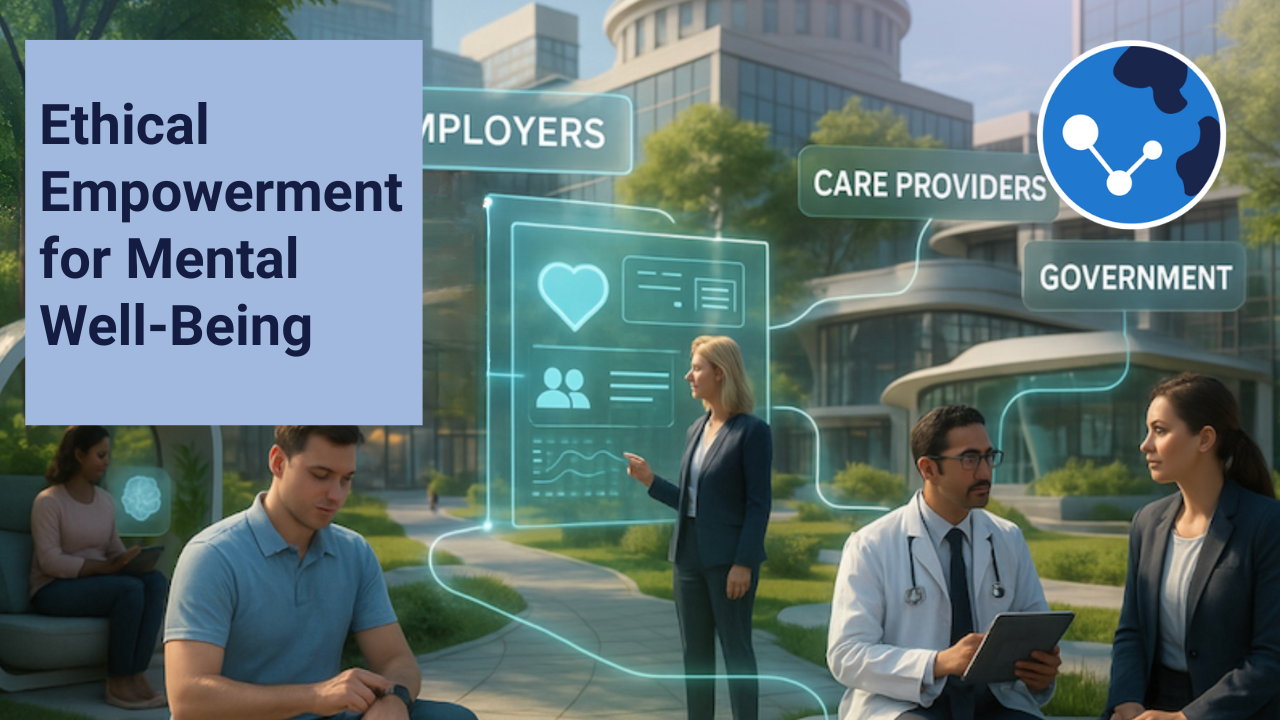
Mental health and well-being are critical not only for individuals, but also for society and the economy. Yet, current support systems often suffer from capacity limitations and fragmented digital tools, highlighting the need for a more integrated approach that facilitates scalable, proactive care.

Noncommunicable diseases (NCDs), such as diabetes, cardiovascular diseases, and various cancers, are responsible for a staggering 74% of all global deaths annually. Modifiable behavioral risk factors – like poor diet, physical inactivity, and smoking – contribute to many of these diseases. Serious games and gamified applications hold immense potential to help users change their behavior and reduce their risk, but the impact of most existing solutions is limited by interoperability issues. That is, many gamified solutions operate in isolation—they cannot talk to each other or be easily integrated with other patient data in the broader healthcare system.
October is Breast Cancer Awareness Month in Canada. As part of our commitment to open science, JMIR Publications is highlighting research published in our journals aimed at understanding and combating this disease. We hope this research reaches a wide audience, empowering people to learn more about their risk and risk mitigation strategies. Understanding what motivates people to seek screening is paramount to reducing breast cancer mortality.
October is Breast Cancer Awareness Month in Canada. As part of our commitment to open science, JMIR Publications is highlighting research published in our journals aimed at understanding and combating this disease. Globally, more than 2.3 million women were diagnosed with breast cancer in 2022 1, underscoring the vital need for research into the disease's causes. We hope this research reaches a wide audience, empowering people to learn more about their risk and risk mitigation strategies.
October is Breast Cancer Awareness Month in Canada. As part of our commitment to open science, JMIR Publications is highlighting research published in our journals aimed at understanding and combating this disease. We hope this research reaches a wide audience and empowers people to learn more about their risk and risk mitigation strategies.
October is Breast Cancer Awareness Month in Canada. As part of our commitment to open science, JMIR Publications is highlighting research published in our journals aimed at understanding and combating this disease. We hope this research reaches a wide audience, empowering people to learn more about their risk and risk mitigation strategies and reducing the anxiety that a potential breast cancer diagnosis can bring.